 Proudly Made in America

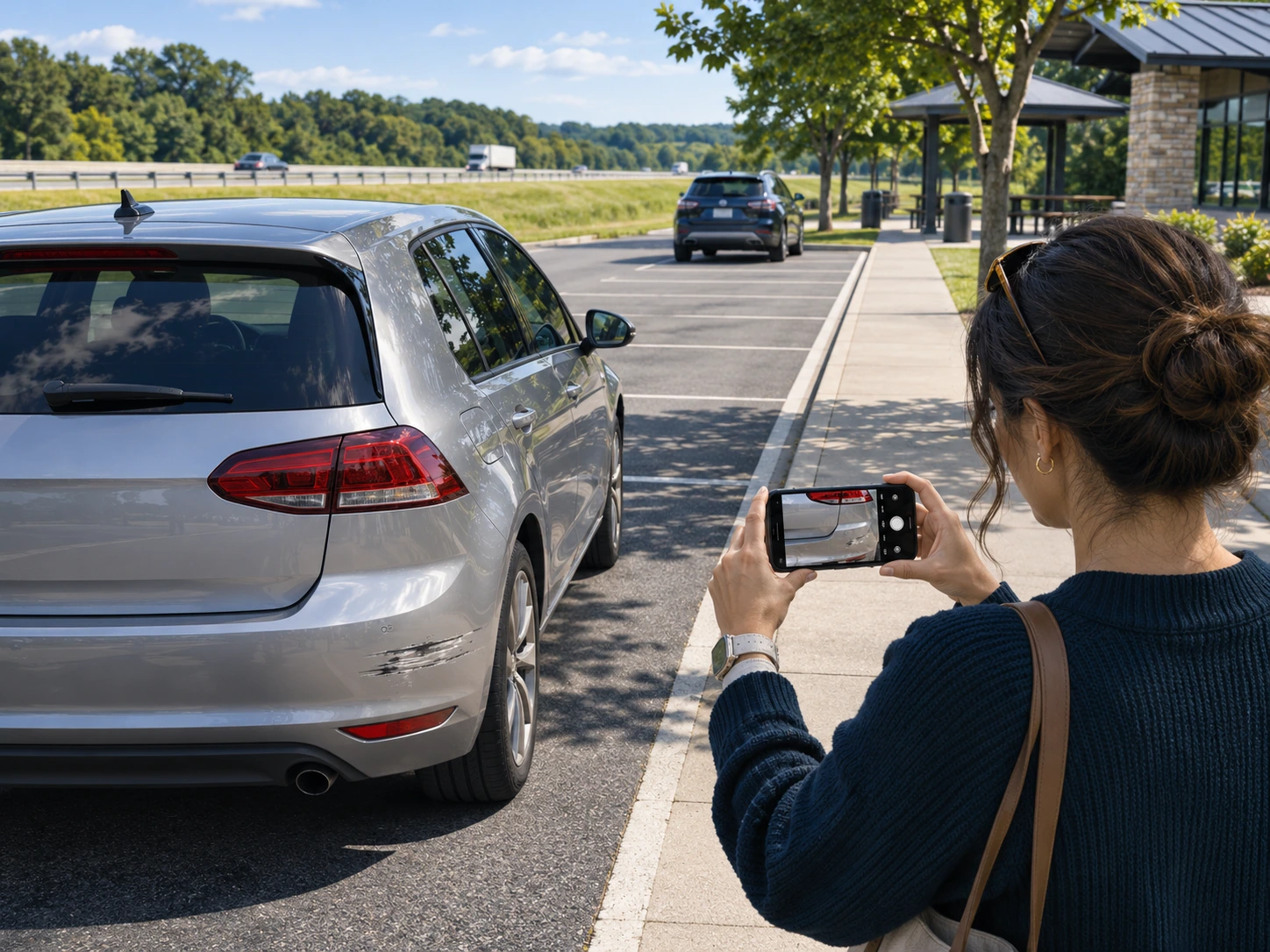
Two drivers can leave the same incident with different accounts of what happened. One remembers a lane change; the other remembers sudden braking. A photograph may show the damage, while leaving the sequence unclear.
Dashcam footage can add a recorded perspective to an insurance claim. Its value is the detail the camera actually captured: positions, movement and the moments leading up to an event. It belongs alongside scene photographs, witness information and the other facts gathered after a collision.
Why a clear account matters
NHTSA estimates that the United States had approximately 6.18 million police-reported traffic crashes in 2024. About 4.47 million were property-damage-only crashes. These are crash estimates, not counts of insurance claims, and they do not include every unreported incident.
Even when no one is injured, the interruption can involve repairs, calls, transport arrangements and questions about responsibility. An accident can also affect future insurance costs, depending on the circumstances, insurer and applicable rules. A clear record is worth preparing for before it is needed.
What a recording may help explain
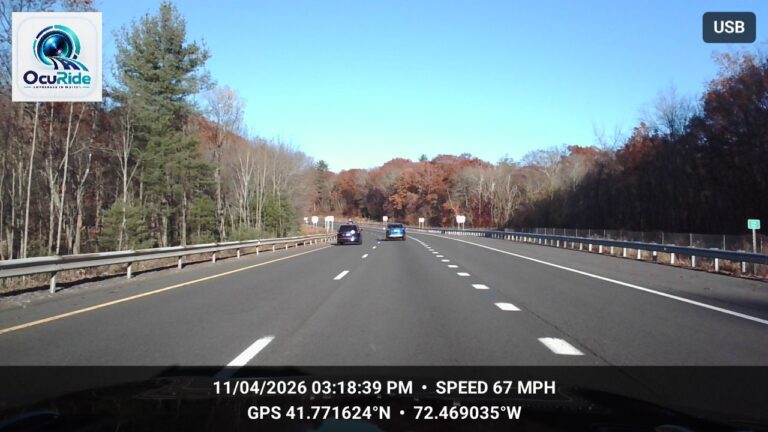
Consider a hypothetical lane-change dispute. The final position of two stopped vehicles may tell only part of the story. A usable forward-facing recording may show a vehicle moving across a lane marker, the traffic ahead and the time available to react.
The useful part may begin well before the contact itself. Preserve the available lead-in and aftermath, rather than keeping only a dramatic instant. That surrounding context helps someone reviewing the footage understand the sequence.
- Movement: which vehicles were visible and how they moved within the camera view.
- Conditions: visible traffic, road markings, weather and lighting.
- Sequence: what appeared before, during and after the relevant moment.
- Limits: what was outside the view, obscured or not recorded.
A camera has a particular viewpoint. It may miss a signal, a vehicle beside you or something happening behind the car. Describing those limits accurately is as useful as pointing to the details it does show.
Keep the original and make a usable copy
Once you are safely stopped and immediate needs have been addressed, identify and retain the relevant footage. Keep the original file and its surrounding context. If you make a shorter copy to highlight a moment, keep the original too.
Check that the file opens and plays. Note the journey and approximate location so you can find it again. If your setup supports a separate backup, check that the transfer completed. A pending upload is not yet another copy.
Provide information through your insurer’s requested process. Ask how to submit a large video file instead of assuming an email attachment will arrive. Keep a record of what you provided and when. Sharing publicly is a separate decision from providing relevant material to an insurer.
Safety and scene information come first
Video does not replace the immediate steps after a crash. The National Association of Insurance Commissioners emphasizes safety, exchanging information and collecting scene details. Get help for anyone injured and follow local reporting requirements.
When it is safe, photographs, witness contacts and an incident report reference can complement a recording. Do not stand in traffic or handle the app while driving to recover footage.
Where OcuRide fits
OcuRide connects smartphone road recording with saved moments and trip replay. The aim is to make available footage easier to locate in the context of a journey, rather than leave the driver searching through an undifferentiated collection of files.
Read the OcuRide recording, event marking and trip replay guide to understand those different steps. Saving a moment preserves what is available; it cannot recreate footage that was never captured.
Questions drivers ask
Can dashcam video help with an insurance claim?
It may provide supporting information about the sequence visible to the camera. The insurer considers it with the other available evidence; footage does not guarantee a fault decision, payment or faster resolution.
Does using a dash cam guarantee lower insurance premiums?
No. Discounts and underwriting rules vary. Do not assume that OcuRide or any camera qualifies for a discount; ask your insurer about your specific policy.
Capture the road. Keep the useful moments. Revisit the journey. Explore OcuRide and request early access.
Sources and further reading
- NHTSA: Overview of motor vehicle traffic crashes in 2024
- NAIC: What you should know about filing an auto claim
- Progressive: Dashcam recordings and insurance claims
- Progressive: How accidents can affect insurance rates
Sources reviewed November 16, 2026.